
Join us virtually on September 24, 2026!
5th Annual Virtual CANIECA Cross-Canada Conference
About the Conference
This dynamic virtual conference is designed to empower practitioners and reviewers in the field of erosion and sediment control. We are proud to be Canada’s sole nationwide erosion and sediment control organization, and our event promises to be an immersive and enlightening experience.
Program
Opening Remarks

Chris Thomson, CIHECP, President — CANIECA
Risk-Based Approach for E&SC in Seaton, Pickering
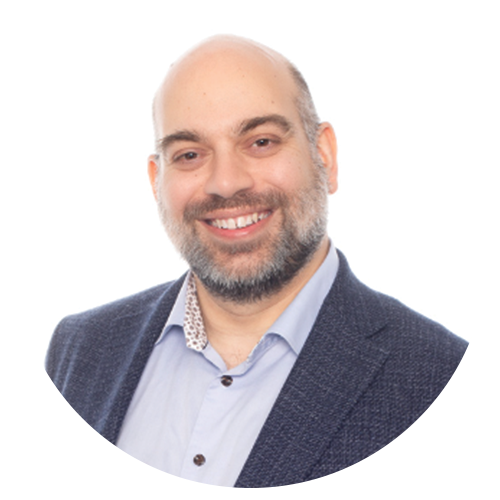
Andrew Fata, M.Sc., P.Eng., Urbantech® Consulting
Compares three risk-based erosion and sediment control frameworks — RUSLE, the MTO method, and a hybrid TRCA approach — applied to a real development in Seaton, Pickering. Draws on nearly 20 years in stormwater and water resources engineering to show how each framework shapes design decisions differently.
Since 1976 — A Creek Contractor's Perspective on the Industry
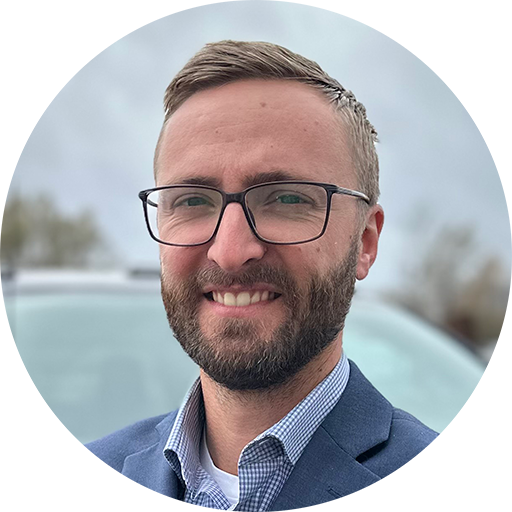
Jared Reinders, Estimator & Project Administrator, R&M Construction
Nearly fifty years of creek and waterway restoration work, told from a contractor's boots-on-the-ground perspective. Traces how the industry grew from basic erosion control into complex work balancing environmental, regulatory, and constructability demands, with lessons on what closer collaboration can achieve.
Enhancing the Soil and Plant Rhizosphere
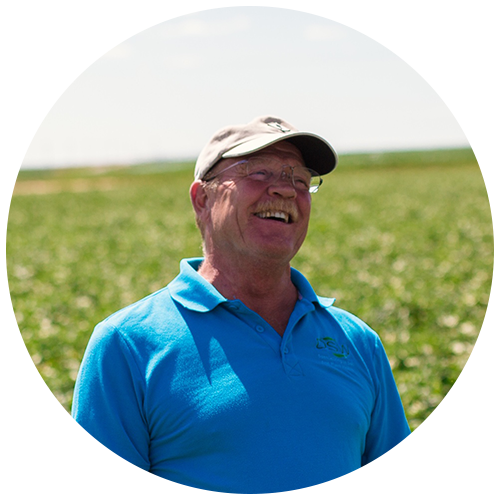
Scott Walker, President, DSW Enterprises and Consulting Ltd.
45 years in agriculture — from organic farming to orchard management to founding an independent R&D consultancy — inform a look at soil sampling, nutrient balancing, and targeted biologicals for improving soil and plant performance across farm, orchard, and turf settings.
From Inspection to Action: Effective Communication Strategies for Erosion and Sediment Control Monitoring
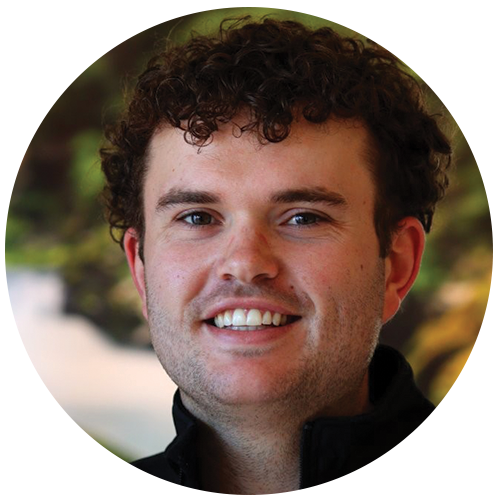
Wyatt Croucher, CAN‑CISEC, EPt, Environmental Restoration Technologist, Project Lead at GEO Morphix Ltd.
Argues that even as erosion control technology keeps advancing, project success still hinges on communication between inspectors, contractors, and owners. Uses real field examples to show how consistent reporting and proactive problem-solving keep control measures properly installed and maintained.
Parks Canada and Erosion to Cape Breton

Joel Kennedy, BMusA, Flex MSE
Introduces Flex MSE, a vegetated retaining system built to stabilize slopes and control erosion while blending naturally into the landscape. Drawing on 12+ years in civil geosynthetics, discusses its application on a Parks Canada project in Cape Breton and its long-term performance versus conventional methods.
Emergency Creek Diversion and Restoration with Bioengineering: 15 Years and a Really Big Storm Event
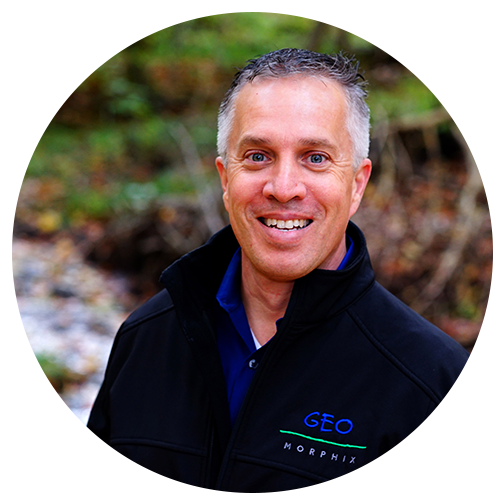
Paul Villard, Director / Principal Geomorphologist, Geo Morphix Ltd.
Recounts a 2010 emergency response near Viden, Manitoba, where an oil release beside a fish-bearing creek required diverting the waterway and rebuilding it with natural channel design and bioengineering — then tracks 15 years of monitoring, including how it held up against a storm exceeding 1-in-400-year magnitude.
Erosion and Sediment Control — Case Study (continued)
Chris Thomson, CIHECP, Maritime Hydroseed & Erosion Solutions
A highway case study where a collapsed culvert forced reconstruction of long, steep slopes beside the St. John River. Details how biotic soil amendments combined with hydraulic erosion control stabilized the slope, improved soil performance, and supported vegetation establishment on a high-risk, environmentally sensitive site.
Erosion and Sediment Controls for Northern Mine Site Remediation and Rehabilitation
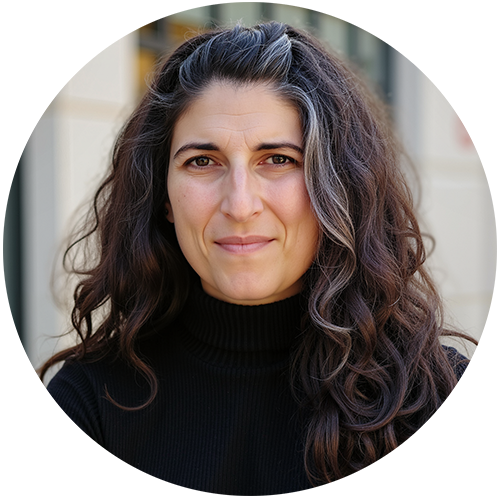
Caroline Serhal, P.Geo (NWT/NU, ON)
Draws on 20+ years as a professional geoscientist across Ontario, the Northwest Territories, and Nunavut, including work as a key team member on two of the largest mine remediation projects in northern Canada, to share what erosion and sediment control looks like in remote, harsh conditions.
Biodegradable vs. Non-Biodegradable BMPs
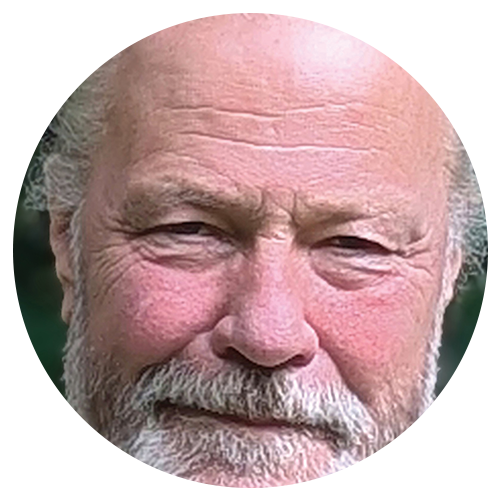
Jack Eaton, Carriff Engineered Fabrics
35 years in the green industry, including 20 focused on erosion control, inform a comparison of biodegradable and synthetic BMPs — covering hands-on experience with compost socks, straw wattles, hydroseeding, mulching, and blanket-based restoration on linear infrastructure projects.
Panel Discussion
Chris Thomson, Jack Eaton, Scott Walker
Closing Remarks
Chris Thomson, CIHECP, President — CANIECA
Speakers
Chris Thomson
CIHECP, President — CANIECA / Maritime Hydroseed & Erosion Solutions
Opening Remarks · Erosion & Sediment Control Case Study · Panel · Closing Remarks
Chris Thomson presents a case study from a highway project where a collapsed culvert forced reconstruction of long, steep slopes beside the St. John River. He details how biotic soil amendments were combined with hydraulic erosion control to stabilize the slope, improve soil performance, and support vegetation establishment — offering proven approaches for managing erosion on steep, high-risk sites in environmentally sensitive, regulated areas. As CANIECA's President, he also opens and closes the day and joins the closing panel.
Andrew Fata
M.Sc., P.Eng. — Urbantech Consulting
Risk-Based Approach for E&SC in Seaton, Pickering
Andrew Fata walks through how three different risk assessment frameworks — RUSLE, the MTO method, and a hybrid TRCA approach — were applied to plan erosion and sediment control for a development in Seaton, Pickering. Drawing on nearly 20 years in stormwater and water resources engineering, he compares how each framework identifies risk and shapes design decisions, giving attendees a practical way to weigh these approaches against their own project needs.
Jared Reinders
Estimator & Project Administrator — R&M Construction
Since 1976 — A Creek Contractor's Perspective on the Industry
Jared Reinders draws on nearly fifty years of field experience to trace how creek and waterway restoration has grown from basic erosion control into complex, multidisciplinary work balancing environmental stewardship, regulatory requirements, and constructability. He shares practical lessons on what has worked and what hasn't over the decades, and makes the case that closer collaboration between designers, regulators, and contractors leads to stronger project outcomes.
Scott Walker
President — DSW Enterprises and Consulting Ltd.
Enhancing the Soil and Plant Rhizosphere · Panel
Scott Walker brings 45 years in agriculture — from organic farming to orchard management to founding his own independent R&D consultancy — to a discussion of soil and plant health. He covers how soil sampling, nutrient balancing, and targeted biologicals and bio-stimulants can be combined to improve soil and plant performance across broad-acre, fruit, vegetable, and turf applications. He also joins the closing panel.
Wyatt Croucher
CAN-CISEC, EPt — Environmental Restoration Technologist, Project Lead, GEO Morphix Ltd.
From Inspection to Action: Effective Communication Strategies for ESC Monitoring
Wyatt Croucher argues that even as erosion and sediment control technology keeps advancing, project success still hinges on communication between inspectors, contract administrators, contractors, and owners. Using real field examples, he shows how consistent reporting and proactive, collaborative problem-solving keep control measures properly installed and maintained through every phase of construction — and why miscommunication is often the bigger risk, not technical limitations.
Joel Kennedy
BMusA — Flex MSE
Parks Canada and Erosion to Cape Breton
Joel Kennedy introduces Flex MSE, a vegetated retaining solution designed to stabilize slopes and control erosion while integrating naturally into the surrounding landscape. Drawing on over 12 years in civil geosynthetics, he discusses how the system was applied on a Parks Canada project in Cape Breton, and what it offers in long-term performance and reduced maintenance compared with conventional approaches.
Paul Villard
Director / Principal Geomorphologist — Geo Morphix Ltd.
Emergency Creek Diversion and Restoration with Bioengineering: 15 Years and a Really Big Storm Event
Paul Villard recounts a 2010 emergency response near Viden, Manitoba, where an oil release beside a fish-bearing creek required diverting the waterway and rebuilding the affected reach using natural channel design and bioengineering techniques. He walks through the initial crisis response, the restoration plan, and 15 years of post-construction monitoring — including how the rebuilt channel held up against a storm event exceeding a 1-in-400-year magnitude.
Caroline Serhal
P.Geo (NWT/NU, ON)
Erosion and Sediment Controls for Northern Mine Site Remediation and Rehabilitation
Caroline Serhal draws on more than 20 years as a professional geoscientist across Ontario, the Northwest Territories, and Nunavut, including work as a key team member on two of the largest mine remediation projects in northern Canada. She shares the specific challenges — and what has worked — for erosion and sediment control in northern and mine-management settings.
Jack Eaton
Carriff Engineered Fabrics
Biodegradable vs. Non-Biodegradable BMPs · Panel
Jack Eaton draws on 35 years in the green industry, including 20 years focused on erosion control and site stabilization, to compare biodegradable and non-biodegradable best management practices. He covers his hands-on experience manufacturing, installing, and monitoring compost socks and straw wattles, along with hydroseeding, mulching, and blanket-based restoration approaches used across linear infrastructure projects. He also joins the closing panel.
This virtual conference is your gateway to better understanding what works with regards to erosion and sediment control, with a strong focus on practical case studies and sustainable restoration techniques from across Canada. Join us and be part of a community dedicated to protecting our environment’s most precious resources.
